
Fairfax Beaver Lab
Dr. Emily Fairfax is showing the world that beavers are wildfire heroes; their wetlands become wildlife safety zones when megafires come.
Leader
Dr. Emily Fairfax
Associate Professor of Geography, University of Minnesota
Based in
Minneapolis, MN
Website

Who they are.
For decades, people have known that beavers are good for conservation and water management. Their dams slow and spread water across the landscape, recharging groundwater, buffering drought, and creating some of the richest wetland habitats in North America. Dr Emily Fairfax is a leading beaver researcher who showed us beavers can also be part of wildfire management solutions.
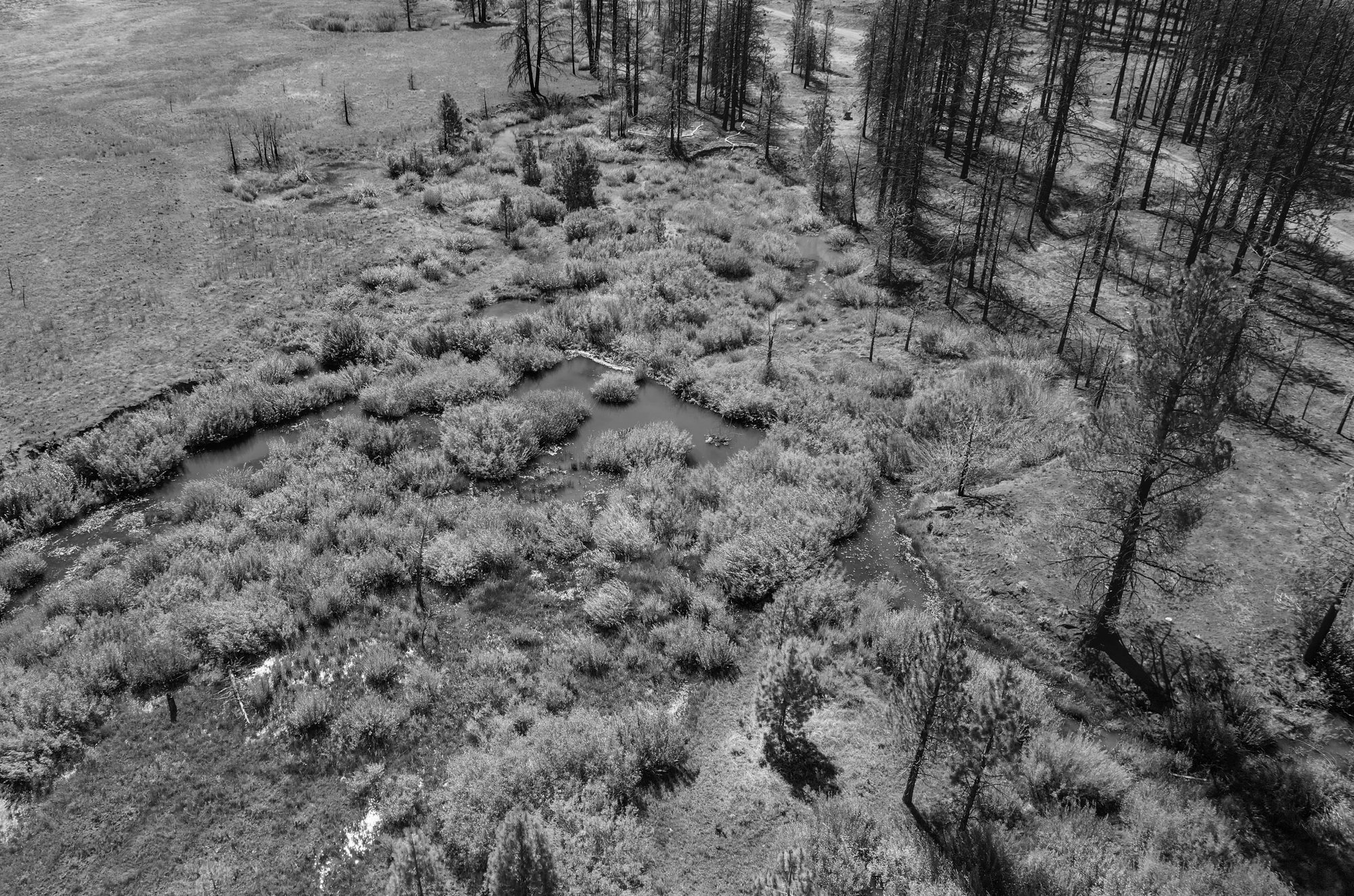
An Associate Professor of Geography at the University of Minnesota and leader of the Fairfax Beaver Lab at the Saint Anthony Falls Laboratory, Dr. Fairfax and her team documented that when megafires tear across the American West, beaver wetlands stay green, wet, and intact, carving natural firebreaks and safety zones into landscapes that are increasingly facing megafires. Beavers, a rodent with an instinct to build, are quietly running one of the most effective wildfire resilience, water management, and conservation programs on the continent, and we’re excited to partner with Dr. Fairfax and her team to share that with others.
Why we believe in the leader.

Dr. Emily Fairfax is passionate about the world of beavers and shares that contagious excitement with others. She published the foundational research on beavers and wildfire, including the delightfully titled “Smokey the Beaver.” Every study she designs builds on peer-reviewed research to create best practices for land managers, public infographics, and other ways to translate data to action to make sure that her research gets out of the lab. She also translates the research to show up in agency reports, BBC documentaries, and on the big screen as a scientific consultant behind Pixar’s Hoppers.
Why the work got us excited.
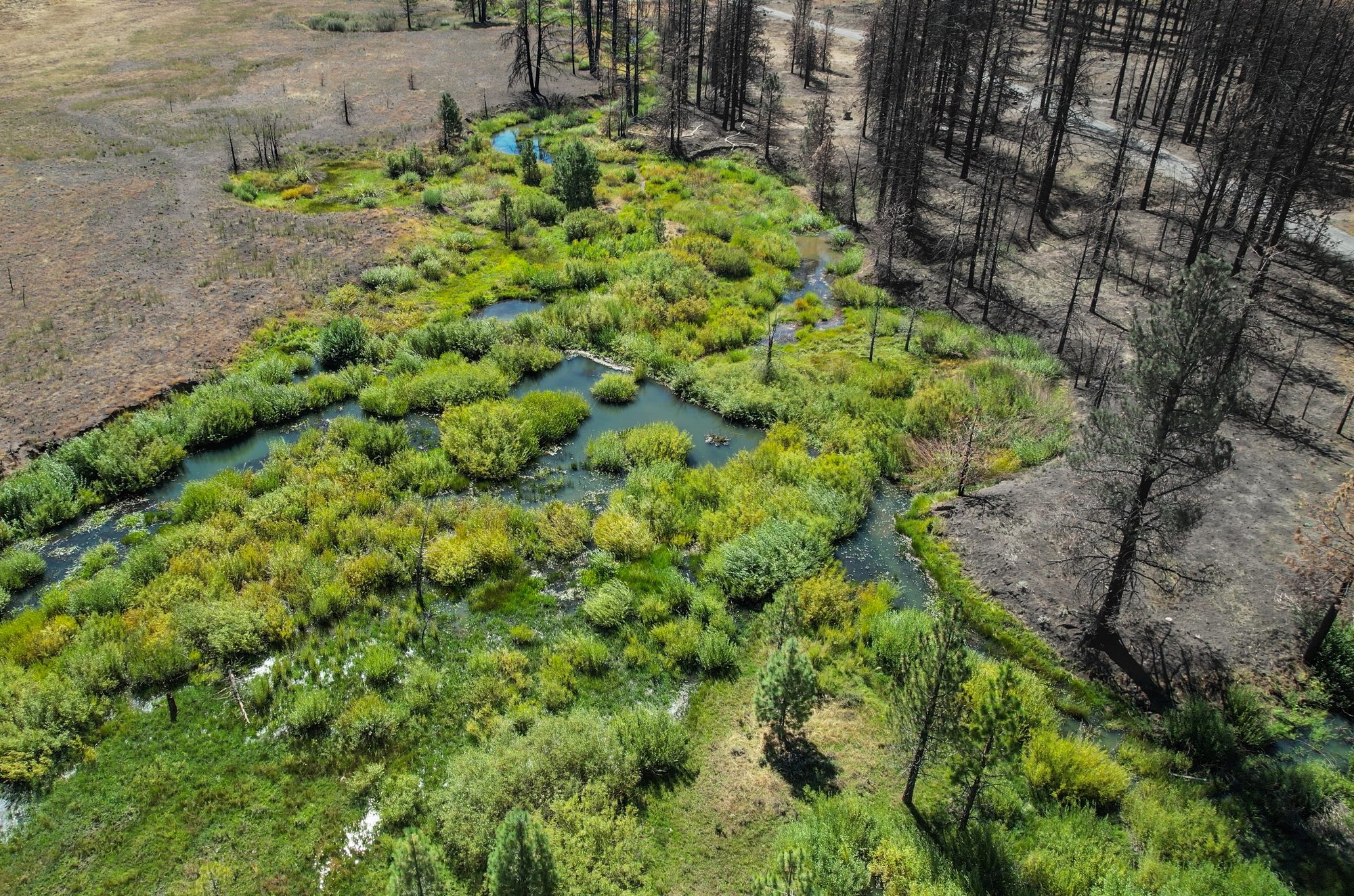
The case for beavers is already strong when considering the value they provide for drought resilience, water quality, biodiversity protection, and efficient rewilding. Wildfire makes that case even stronger as working with beavers can also be a resilience story at the exact moment that communities across the US West are searching for solutions to deal with a greater number and intensity of wildfires. There is evidence of wildlife using beaver wetlands as refugia during wildfire (e.g. a GPS tracked mother wolf transferring her pups to a beaver wetland during a wildfire), so our grant is supporting research that will build on that to document the full range of animals who use beaver wetlands during and after wildfires.
Emily’s team will collect hundreds of water samples from beaver wetlands at recent fire sites. Using environmental DNA to identify every species that passed through, from fish to frogs to bears, complemented by wildlife cameras and microphones. A single scoop of pond water can reveal creatures too rare or shy to ever photograph, and the findings will give land managers evidence for building beaver-based restoration into wildfire planning. We are proud and excited to support Dr Fairfax and her team at this moment when there is increasing interest in both beavers and holistic wildfire solutions.
“Change happens when people get the spark of a wild idea – but instead of writing it off as unrealistic or silly, they pour themselves into it and make it happen.”
— Dr. Emily Fairfax


